The US president stressed that the agreement reached between Washington and Tehran remains preliminary and could collapse if the Iranian government fails to meet American expectations.
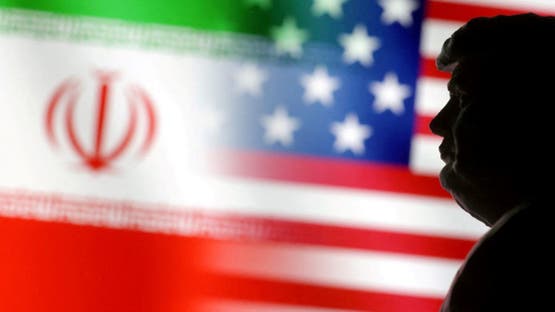
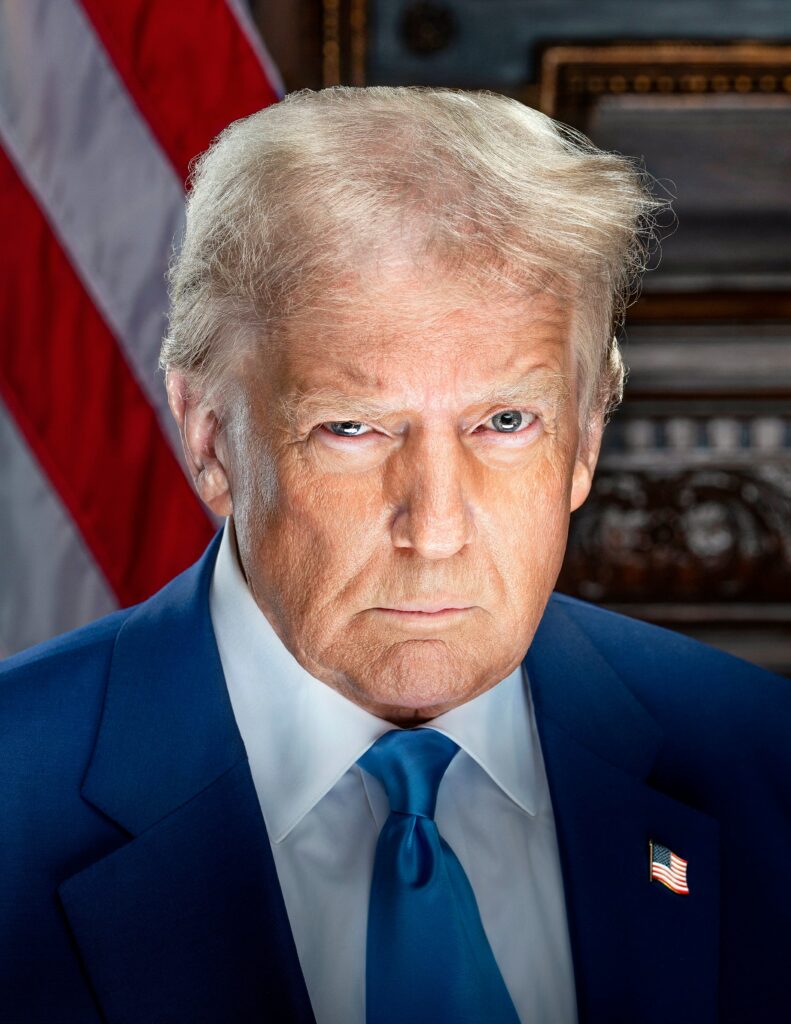
United States President Donald Trump has warned that Washington could resume military strikes against Iran if Tehran fails to comply with the terms of a newly announced framework agreement, describing the arrangement as a non-binding memorandum of understanding rather than a final deal.
Trump made the remarks on Wednesday while addressing journalists alongside Egyptian President Abdel Fattah el-Sisi on the sidelines of the G7 Summit in France, where discussions on the future of US-Iran relations dominated diplomatic engagements.
The US president stressed that the agreement reached between Washington and Tehran remains preliminary and could collapse if the Iranian government fails to meet American expectations.
“No, it’s not final,” Trump said according to Al Jazeera, when asked whether the agreement had been concluded.
“It’s a memorandum of understanding. And if I don’t like it, we’ll go back to shooting at them, dropping bombs on their head. If they don’t behave, we’ll go right back to dropping bombs right smack in the middle of their head.”
Despite the threat, Trump insisted that the framework represented a strong diplomatic achievement and claimed it had already reassured global markets.
“What is really happy is the market. It has gone wild. It’s gone through the roof and oil has tumbled down. That speaks louder than words,” he said.
The president also expressed confidence that Iran would never acquire nuclear weapons, declaring there was a “99.99 percent chance” that Tehran’s nuclear ambitions had effectively been neutralised.
Trump further revealed that one of the anticipated outcomes of the ongoing negotiations would be the reopening of the strategic Strait of Hormuz, a vital global shipping route through which a significant portion of the world’s oil supply passes.
According to him, the waterway could be fully reopened within days.
The comments came amid growing speculation over the content of the US-Iran understanding, with reports suggesting the agreement could include hundreds of billions of dollars in reconstruction assistance for Iran following months of conflict and economic disruption.
- Iran to receive $300 billion fund in historic war-end peace deal with U.S.
- Canada moves to regulate AI chatbots after school shooting that left nine people dead
However, Trump categorically denied the claims.
“We’re not putting up 10 cents,” he said. “We are not investing, and we do not have a fund.”
He also rejected suggestions that Washington was encouraging Gulf Arab states to finance Iran’s reconstruction.
“I am not asking Gulf countries to invest in Iran. If they do it, fine. But I would say they won’t be doing it for a while until they find out the behaviour of the Iranians,” he added.
Trump also used the occasion to revive his long-standing criticism of former President Barack Obama and the 2015 Joint Comprehensive Plan of Action (JCPOA), commonly known as the Iran nuclear deal.
The US president accused Obama of attempting to “bribe” Iran into accepting the agreement through the transfer of billions of dollars.
“The JCPOA done by Obama — he handed them $1.7 billion in cash. Green cash from banks into a Boeing 757 and flew it into Iran,” Trump alleged.
“He tried to bribe his way out. I didn’t try to do that. The Iranians laughed at Obama and said he was a stupid son of a b****.”
The remarks are likely to reignite political controversy in the United States, where the Obama administration had maintained that the funds released to Iran were part of a settlement relating to long-standing financial disputes between the two countries.
Meanwhile, Egyptian President el-Sisi welcomed the framework agreement and expressed hope that a comprehensive settlement would soon be reached.
“We are waiting for a final deal to be declared so that we can react appropriately and state our positive views and perspectives,” he said.
NATO Secretary-General Mark Rutte also praised the development, describing the anticipated reopening of the Strait of Hormuz as a major breakthrough for global security and energy markets.
“The restoration of free passage through the Strait of Hormuz will be a massive step forward,” Rutte told reporters in Brussels.
He added that the agreement had created an opportunity to ensure that Iran never develops a nuclear weapon.
Despite the optimism expressed by world leaders, officials from both Washington and Tehran have clarified that no final agreement has yet been reached on Iran’s nuclear programme.
Sources familiar with the negotiations said the issue would form a central part of high-level talks scheduled to take place in Switzerland on Friday, where both countries are expected to continue discussions on verification mechanisms, sanctions relief and long-term security guarantees.
The outcome of those talks is expected to determine whether the current framework evolves into a comprehensive agreement or collapses amid renewed tensions between the longtime adversaries