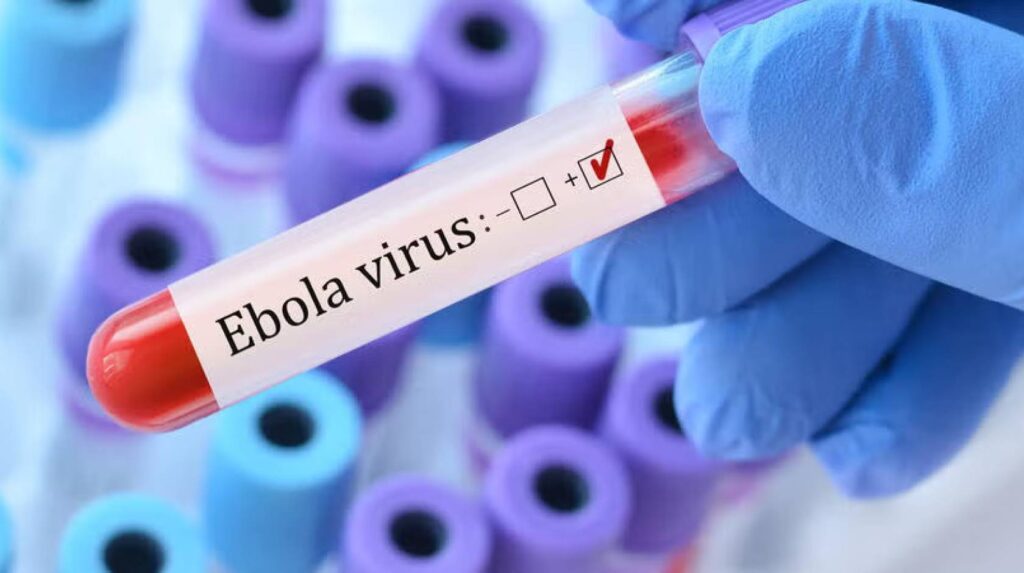
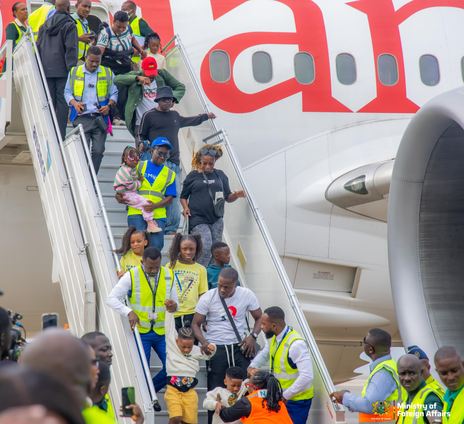


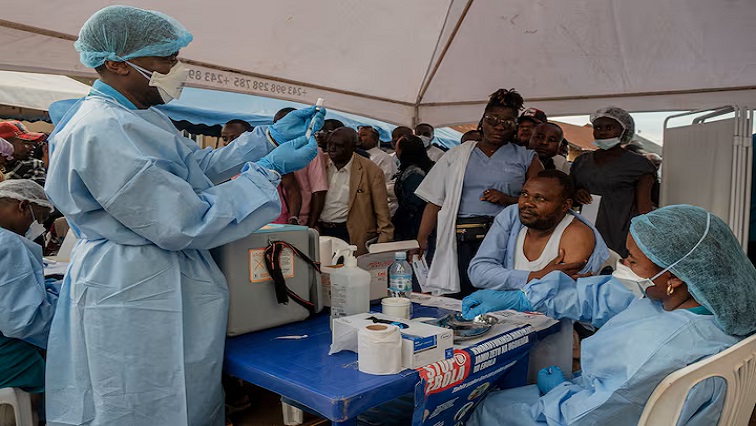
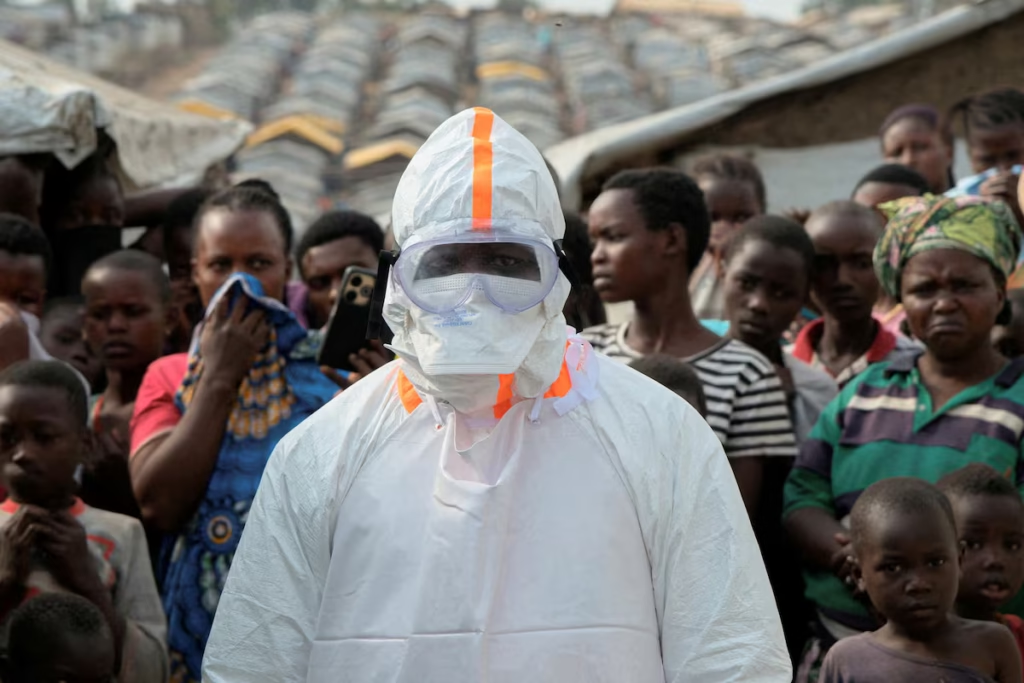
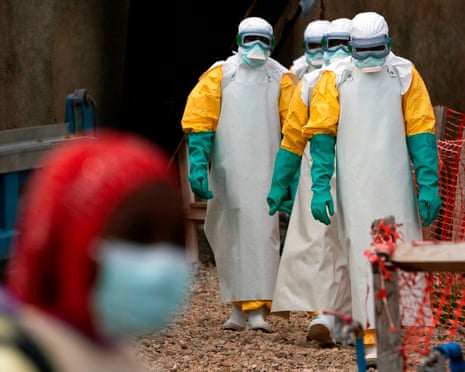











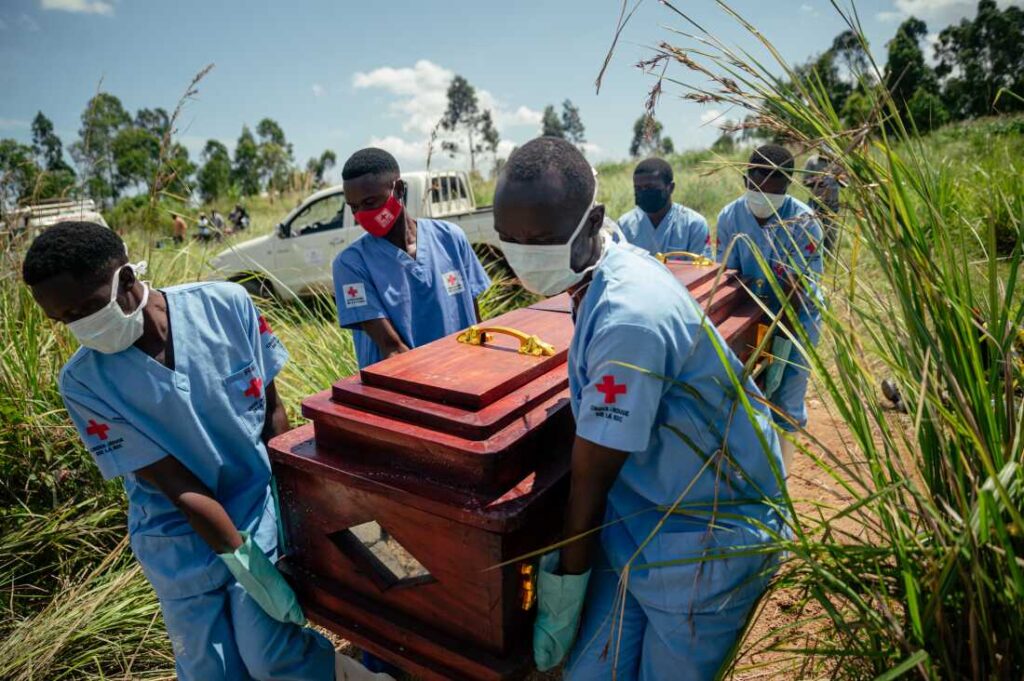
Ebola has now killed more than 1,000 people in the Democratic Republic of Congo, official figures show, as medics struggle to contain an outbreak amid militant violence, attacks on clinics and widespread shortages.
The number of confirmed Ebola cases has increased to 2,536, Congo’s public health institute said late on Wednesday. The number of deaths has passed the 1,000 mark to reach 1,033, it added.
The Ebola outbreak, Congo’s 17th, was declared in mid-May but experts believe infections started circulating weeks earlier.
It is caused by the rare Bundibugyo strain, which has a fatality rate of up to 40%. There is no approved vaccine.
Health officials have had to contend with insecurity across eastern Congo, the epicentre of the outbreak, where dozens of armed groups operate.
There have been shortages of basic supplies and attacks on health facilities by local people. Some bereaved relatives have been angered by health restrictions preventing them from burying their loved ones.
Some have believed conspiracy theories that the outbreak is a hoax.
Ebola spreads through direct contact with the bodily fluids of infected people, living or dead. It can cause fever, vomiting, diarrhoea and, in severe cases, internal and external bleeding.
Unlike the more common Zaire strain, there are no approved vaccines or treatments for Bundibugyo.
A small number of experimental vaccines and treatments are under review, while experts assess whether existing Ebola drugs could help against the Bundibugyo strain, a prospect so far backed only by limited animal data.
Congo, which reports figures daily, said 63 new cases and 34 deaths had been recorded since the last report.
The outbreak spread to neighbouring Uganda, but authorities there have managed to keep confirmed cases to 20.
No case has been reported in Uganda since June 22 and the last Ebola patient there was discharged on July 16, triggering a 42-day countdown until that East African country can be declared virus-free.